
How to Sleep After Knee Replacement Surgery
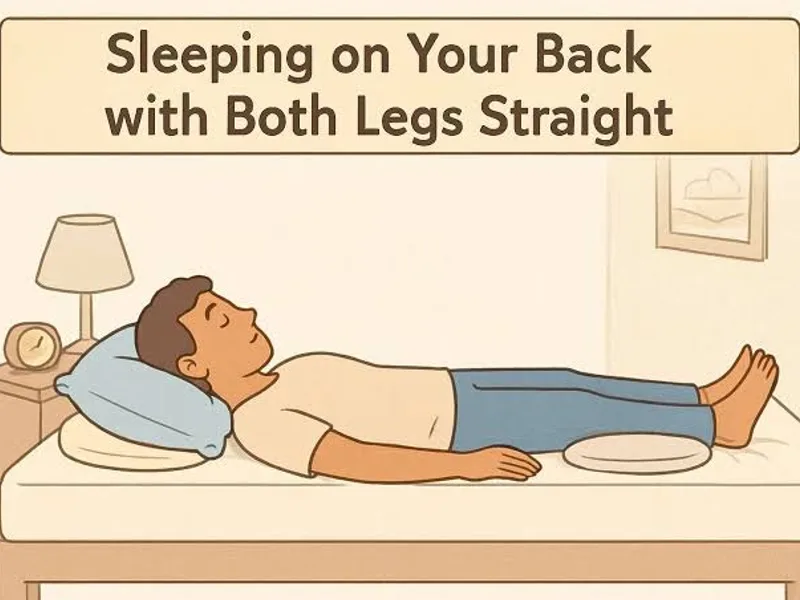
The most widely recommended way to sleep after knee replacement is on your back, with your leg as straight as is comfortable and supported under the calf. Side sleeping is usually possible after a few weeks, on your non-operated side with a pillow between your knees. Icing, planned pain relief, and a supportive setup all help you get through the first nights. Your surgeon's instructions always come first, since protocols differ.
Why is sleep so hard after knee replacement?
Poor sleep is one of the most common complaints during recovery. Hinge Health, a physical therapy provider, notes that bruising, swelling, stiffness, and soreness are a normal part of healing after the operation.
Several things pile up at night. Pain medicine may be wearing off. Your body is actively repairing tissue, which brings inflammation and swelling. And with no screens or tasks to distract you, you notice the ache more.
Sleep and pain also feed each other. A sore knee keeps you awake, and poor sleep can make pain feel worse. Breaking that loop is the goal.
The best sleeping position: on your back
Back sleeping is the standard advice in the first weeks. Orthopedic practice Ortho Bethesda says it makes it easier to keep the leg straight and supports blood flow to the surgical area.
Lying flat also keeps your weight evenly spread and avoids twisting the new joint. If you normally sleep on your side or stomach, expect an adjustment period. Pillows can make it easier.
How to set up your pillows
Pillow placement causes the most confusion, because advice varies between sources.
Hinge Health's physical therapists suggest supporting the leg with pillows under the calves and advise against placing a pillow directly under the knee. The concern is that a bent, propped knee can make it harder to straighten the joint as you heal. Other clinic blogs describe placing a pillow along the knee and calf to prevent bending, so opinions differ on the details.
The safest approach is to ask your surgical team exactly how they want your leg positioned. Then try this common setup:
Lie on your back with your head and shoulders supported
Place pillows lengthwise under your calf and lower leg
Keep your knee gently supported without forcing it into a bend
Keep your foot and leg pointing straight up, not rolling inward or outward
Some surgeons approve a foam wedge pillow, which raises the leg evenly. Ask before buying one.
When can you sleep on your side?
Many people find side sleeping more natural, but it puts the knee in a bent position that can be painful early on. Ortho Bethesda suggests waiting until at least a few weeks after surgery, when you can start bending the knee more comfortably.
When your surgeon gives the green light, lie on your non-operated side. That keeps weight off the new knee. Place one or two pillows between your knees to keep the top leg supported and your hips level.
Shalby Hospitals, an orthopedic provider, also cautions against lying on the operated side. If side sleeping hurts, go back to your back for a few more days and try again.
Ice before bed
Cold is one of the simplest tools you have. Shalby Hospitals suggests icing the knee for about 15 to 20 minutes, with a towel between the ice pack and your skin. Then remove the pack before you sleep.
Hinge Health also lists icing before bed among its strategies. Never fall asleep with an ice pack on. It can irritate or damage the skin, especially if the area is numb from surgery or nerve blocks.
Plan your pain relief with your care team
Waking up in pain at 3 a.m. is a common and avoidable problem. Ortho Bethesda recommends taking prescribed pain medicine about an hour before bed so it's working by the time you fall asleep.
That timing depends on the specific drug and your instructions, so confirm it with your surgeon or pharmacist rather than adjusting on your own. Don't skip doses out of habit or add medicines without approval. Some pain medicines can cause drowsiness by day but disrupt sleep at night, so tell your care team if your sleep pattern is off.
Move gently during the day
Rest matters, but staying still all day can leave you stiffer and less tired at night. Hinge Health suggests staying gently active during the day and points to exercises such as quad sets, straight leg raises, and calf raises. It says doing them before bed may ease stiffness and make it easier to sleep.
Do only the exercises your physical therapist has given you. Start slowly, and stop if you feel sharp pain.
Build a calmer bedtime
Anxiety about pain and recovery can keep you awake, too. Some simple habits help:
Keep a regular bed and wake time
Dim lights and put screens away before bed
Keep your room cool and quiet
Keep water, medicine, and your phone within easy reach
Try slow breathing or relaxation exercises if worries keep you awake
Clear a path from bed to bathroom and keep a night light on. Getting up in the dark with a sore knee raises the risk of a fall.
[REVIEWER: add clinical insight here on typical sleep patterns during the first weeks, what is expected versus concerning, and how medication side effects can be reviewed.]
When to call your surgeon
Some sleepless nights are part of recovery. Some symptoms are not. Contact your surgeon promptly if you notice:
Pain that keeps getting worse or isn't controlled by your prescribed plan
Increasing redness, warmth, or drainage at the incision
Fever or chills
Swelling or pain in the calf that is new or worsening
Call emergency services if you have chest pain or trouble breathing. These can signal a blood clot, a known risk after joint surgery.
Frequently asked questions
What is the best sleeping position after knee replacement?
Sleeping on your back is the most commonly recommended position. It helps keep the operated leg straight and supports circulation to the joint. Use pillows under your calf to support the leg, and follow your surgeon's advice on exactly where to place them. Avoid twisting your leg inward or outward.
Can I sleep on my side after knee replacement?
Usually, but not right away. Some clinics suggest waiting until at least a few weeks after surgery, when you can bend the knee more comfortably. When cleared, lie on your non-operated side with a pillow between your knees. If it hurts, return to back sleeping and check with your surgeon.
Should I put a pillow under my knee?
Advice differs, so ask your surgeon. Hinge Health's physical therapists recommend supporting the calves and avoiding a pillow directly under the knee, because a propped, bent knee can make straightening harder. Other clinics describe supporting the full length of the leg. Your surgical team's instruction take is priority.
Why does my knee hurt more at night?
Pain often feels stronger at night because medicine may be wearing off, swelling builds during healing, and there are fewer distractions. An awkward position can add stress to the joint too. Icing before bed, supportive pillows, and planned pain relief can help. Talk to your surgeon if night pain is severe or worsening.
Is it normal to have trouble sleeping after knee replacement?
Yes. Pain, swelling, stiffness, medicine side effects, and worry about recovery commonly disrupt sleep. Physical therapy providers such as Hinge Health describe this as an expected part of healing. Tell your care team